There’s nothing quite like it, is there? That feeling of tossing and turning, flipping the pillow for the tenth time to find the “cool side,” while the bedroom air feels thick and stagnant. We’ve all been there. A good night’s sleep feels impossible, and the thought of the air conditioner’s humming and the subsequent electricity bill is enough to make you sweat even more. But what if your trusty electric fan—that humble, loyal bedside companion—held the secret to unlocking a truly cool and restful night? It’s true. With a few clever Fan Hacks For Cooler Sleep, you can transform your fan from a simple air-pusher into a sophisticated cooling machine. As the passionate storytellers behind Electric Fant, we’re here to pull back the curtain on these game-changing techniques.
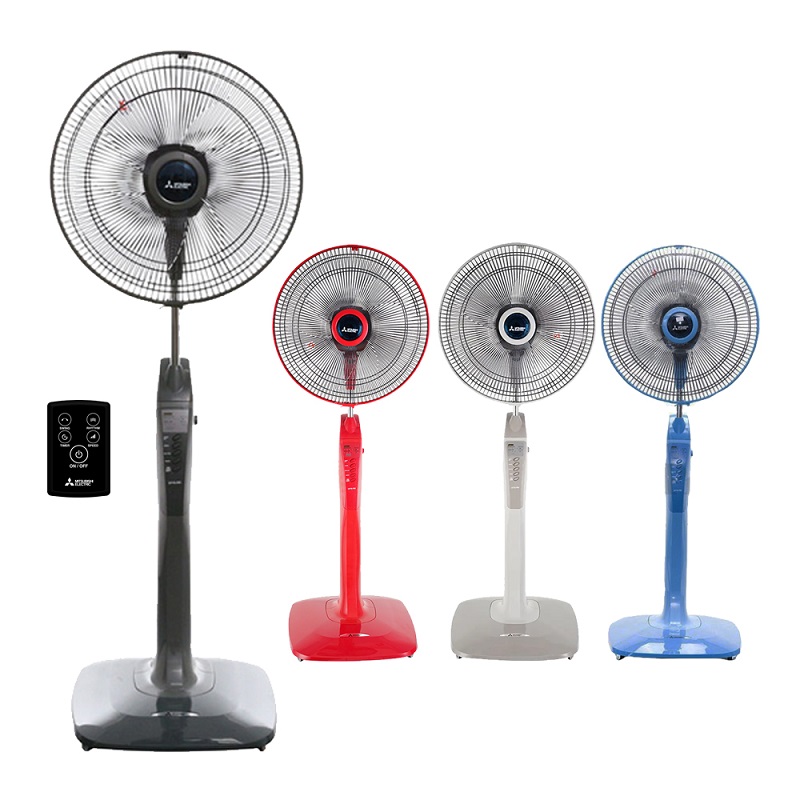
First, How Does a Fan Actually Cool You Down?
It’s a common misconception that a fan lowers the room’s temperature. It doesn’t. So, why does it feel so good? The magic is in the wind chill effect. Your body naturally cools itself by perspiring. A fan accelerates this process by increasing the rate of evaporation from your skin. Think of it like blowing on a spoonful of hot soup—the air movement whisks away the heat. Understanding this principle is the first step to mastering our fan hacks for cooler sleep.
“A fan doesn’t cool the air; it cools you,” explains Dr. Sarah Jenkins, a leading sleep science researcher. “Optimizing that airflow and its interaction with your body is the key to maximizing comfort without the high cost of air conditioning.”
The Ultimate Fan Hacks for Cooler Sleep
Ready to turn your bedroom into a cool oasis? Let’s dive into the practical strategies that will make a world of difference.
1. Create a DIY Air Conditioner
This is the classic, time-tested trick for a reason: it works wonders. It’s simple physics, really.
- Find a shallow bowl, pan, or bucket.
- Fill it with ice cubes or a few frozen water bottles.
- Position the bowl directly in front of your fan.
- Turn the fan on.
As the ice melts, the fan will blow the cool, misty air evaporating off the ice’s surface directly toward you. You’ve just created a personal, energy-efficient cooling system. It’s a simple yet incredibly effective way to drop the temperature of the air hitting your skin.
2. Master the Art of Cross-Ventilation
During those precious evening hours when the outside temperature finally drops below your indoor temperature, it’s time to get strategic. Don’t just circulate the hot air inside your room; replace it.
- The Setup: Place one fan facing out of a window in one part of your room or home. This fan’s job is to push the hot, stale air out.
- The Payoff: Position a second fan (or simply open another window) on the opposite side of the room. This creates a vacuum effect, pulling the cooler, fresh nighttime air in.
- Your Position: Place yourself in the path of this newly created cool breeze. A powerful pedestal fan is perfect for directing this incoming cool air right where you need it.
This technique effectively flushes the heat from your room, replacing it with refreshing night air.
3. Fan Placement is Everything
Where you put your fan matters more than you think. A common mistake is simply pointing it at the bed from the nearest corner. For optimal cooling, you need to think like an engineer.
- During the Day: Keep your blinds and curtains closed to block solar heat. If you must run a fan, point it out the window to push hot air out.
- At Night: If you’re not using cross-ventilation, place the fan so it creates a gentle, indirect breeze. Aim it towards a wall near your bed, allowing the air to circulate around you rather than blasting you directly, which can cause dry eyes and skin. For lower beds, a floor fan is ideal. For higher beds, a pedestal fan offers the perfect adjustable height.
Choosing Your Cooling Champion: Which Fan is Right for You?
Not all fans are created equal, and the right model can make your fan hacks for cooler sleep even more effective. Here at Electric Fant, we believe in crafting the perfect tool for every need. Let’s break down the main players.
Pedestal Fans: The Adjustable Powerhouse
These are the versatile all-stars of the cooling world.
- Best for: Directing powerful airflow exactly where you want it. The adjustable height and oscillating head make them perfect for aiming cool air over your bed.
- Pro-Tip: Look for models with a high CFM (Cubic Feet per Minute) rating. This is the true measure of how much air a fan can move. Our Electric Fant Pro series is engineered for maximum CFM with minimal noise.
Tower Fans: The Sleek Space-Saver
With their slim, vertical design, tower fans are both stylish and functional.
- Best for: Bedrooms where floor space is at a premium. Their wide oscillation angle distributes air over a larger area, creating a gentle, room-filling breeze rather than a concentrated jet stream.
- Features to Look For: Many modern tower fans come with remote controls, sleep timers, and multiple speed settings, allowing you to customize your comfort from bed.
Box Fans: The Cross-Ventilation King
Don’t underestimate the humble box fan. Its shape and power make it uniquely suited for certain tasks.
- Best for: Fitting snugly into a window frame to powerfully exhaust hot air or pull in cool air. They are the engine behind an effective cross-ventilation strategy.
|
Our Picks for the Best Electric Fan in 2026
As an Amazon Associate I earn from qualifying purchases.
|
||
| Num | Product | Action |
|---|---|---|
| 1 | Comfort Zone Electric Oscillating Pedestal Fan, Stand Fan, 16 inch, 3 Speed, 90 Degree Oscillating Head, Adjustable Height and Tilt, Airflow 7.48 ft/sec, Ideal for Home, Bedroom & Office, CZST161BTEBK |

|
| 2 | Amazon Basics Air Circulator Fan, Desk Fan for Bedroom, Home and Office, With 90-Degree Tilt Head, 3 Speed Settings, Lightweight (3 LBS), 35 Watts, Black, 11.1\"W x 6.3\"D x 10.9\"H |
|
| 3 | Lasko Wind Machine Fan, Air Circulator Fan with 3 Speeds, 20\" Model 3300, Gray |
|
| 4 | Vornado 630 Mid-Size Whole Room Air Circulator Fan for Home, 3 Speed Settings, Adjustable Tilt, Removable Grill, 9 Inch, Powerful Airflow, Manual Control Dial, Quiet Fan for Bedroom, Black |
|
| 5 | Dreo Fan for Bedroom, 80° Oscillating Standing Fan, 25dB Quiet, 80ft Pedestal Fans for Home Office, 90° Manual Vertical, 3 Speeds, Remote, 34-41\" Adjustable Height, Air Circulator |
|
| 6 | Dreo Standing Fan for Bedroom, 120°+120°Omni-directional Oscillating Fan, 85 ft Circulator With Remote, DC Motor Quiet Pedestal Fans, Adjustable Height, 8 Speeds, 3 Modes, 8H Timer, TurboPolyFan 502 |
|
| 7 | Amazon Basics 16\" Pedestal Fan with Remote, Floor Fan, Standing Fan for Bedroom, Living Room, Office, with 3 Speeds, 3 Modes, Timer, Dual-Layered Blades, Adjustable Height, Tilt Head, 60W, Black |
|
| 8 | EZ-CHILL 16” Oscillating Pedestal Fan, 3-speed Options, 90-Degree Oscillating Head, Adjustable Height and Tilt, Powerful Air Flow, White, MTSP15-16AZ |
|
| 9 | Lasko Oscillating Cyclone Pedestal Fan, Adjustable Height, Timer, Remote Control, 3 Speeds, for Bedroom, Living Room, Home Office, 18\", Black, 1843 |
|
| 10 | Dreo Tower Fan for Bedroom, 25ft/s Velocity Quiet Floor Fan, 90° Oscillating Fans for Indoors with 4 Speeds, 4 Modes, 8H Timer, Standing Fans, Bladeless Fan, Black, Nomad One (DR-HTF007) |
|
Ceiling Fans: The Unsung Hero
Often overlooked, a ceiling fan is a master of air circulation. But are you using it correctly?
- The Summer Hack: In summer, your ceiling fan blades should rotate counter-clockwise. This pushes cool air down, creating a comfortable downdraft.
- The Winter Hack: In winter, switch the rotation to clockwise. This pulls cool air up, circulating the warm air that has risen and settled near the ceiling back down into the room. There is a small switch on the motor housing for this.
Keep Your Fan in Peak Condition: The Maintenance Hack
A fan caked in dust and grime isn’t just an eyesore; it’s an inefficient machine. Dust on the blades creates drag, forcing the motor to work harder and reducing airflow. Cleaning your fan is a performance hack.
- Safety First: Always unplug your fan before cleaning.
- Disassemble: Carefully remove the grill or cage. Most are held on by clips or small screws.
- Wipe Down Blades: Use a damp cloth with a bit of mild soap to wipe down each blade individually.
- Clean the Grill: Wash the grill in the sink with warm, soapy water. Use a soft brush to get into the crevices.
- Dry and Reassemble: Ensure every part is completely dry before putting it all back together.
Aim to do this once a month during heavy use. A clean fan is a quieter, more powerful, and more energy-efficient fan.
Frequently Asked Questions (FAQ)
Is it okay to leave an electric fan on all night?
Generally, yes, it is safe. Modern fans are built for continuous operation. However, a direct, constant blast of air can sometimes lead to dry skin, eyes, or a stuffy nose for some people. Using the oscillation feature or aiming the fan for indirect circulation can mitigate this.
Does using these fan hacks for cooler sleep use a lot of electricity?
Not at all! This is one of the biggest benefits. A standard fan uses only about 1-2% of the electricity a central air conditioning unit does. Implementing these hacks is an incredibly energy-efficient way to stay cool.
Which direction should my fan face when I sleep?
For the most comfortable sleep, try creating an indirect breeze. Aim the fan towards a wall or the foot of your bed so the air circulates gently around the room rather than hitting you directly. If you’re using the cross-ventilation method, the fan should be pulling cool air in from an open window towards your bed.
Can a fan actually make the room hotter?
A fan motor generates a tiny amount of heat, but its effect is negligible. In a completely sealed room with no people, a fan would technically add a minuscule amount of heat over many hours. However, in any practical scenario, the cooling effect on your body far outweighs this.
What’s the best type of fan for a small bedroom?
For a small bedroom, a tower fan is an excellent choice due to its small footprint and wide-angle air distribution. A small, quiet pedestal fan or a Vornado-style air circulator also works very well to keep the air moving without taking up too much space.
Your Best Sleep Awaits
The difference between a restless, sweaty night and a cool, blissful slumber doesn’t always require an expensive air conditioner. It lies in working smarter, not harder. By understanding the science of cooling and employing these simple but powerful fan hacks for cooler sleep, you can unlock the full potential of your electric fan. From creating your own icy breeze to engineering the perfect cross-breeze, you now have the knowledge to take control of your comfort. Sweet dreams.