Welcome to college! You’ve got your new laptop, a mountain of textbooks, and that first exhilarating taste of freedom. But as you settle into your new room, another reality hits you, especially during those first few weeks: the heat. A stuffy, warm dorm room can make studying, sleeping, and even just hanging out feel like a chore. That’s where the perfect Electric Fan For Student Dorms becomes not just a nice-to-have, but an absolute essential. But with so many options out there, how do you choose the one that won’t just blow hot air around but will actually transform your tiny space into a cool oasis?
Don’t sweat it. As the experts in air movement, we at Electric Fant live and breathe this stuff. We’re here to be your guide, cutting through the technical jargon and helping you find the perfect companion to beat the heat. Think of this as your crash course in Cool 101. We’ll explore everything from the different types of fans to the secret specs that truly matter, ensuring you make a choice that’s smart, efficient, and perfectly suited for dorm life.
Why an Electric Fan is a Dorm Room Non-Negotiable
Before we dive into the how, let’s talk about the why. You might wonder if you really need a fan, especially if your building has central air. The truth is, even in air-conditioned buildings, a personal fan offers control and comfort that shared systems can’t match. An electric fan for student dorms is your secret weapon for a better living experience.
- Budget-Friendly Cooling: Let’s be real, college life is all about budgeting. Fans consume significantly less energy than air conditioners, meaning you get effective cooling without the dread of a high electricity bill (if you even have to pay for it, your RA will thank you for not tripping the breaker).
- Superior Air Circulation: Dorm rooms can get stagnant and stuffy fast. A good fan doesn’t just cool you down; it keeps the air moving. This constant circulation helps prevent that “closed-in” feeling and can even make the room feel fresher.
- White Noise for Studying and Sleep: The gentle hum of a fan can be a lifesaver. It creates a consistent background noise that can drown out noisy hallmates, late-night study groups, or city sounds, helping you focus on your work or drift off to sleep more easily.
- Portability is Key: Your fan can move with you. Point it at your desk while you’re cramming for an exam, aim it at your bed for a cool night’s sleep, or set it up to greet you with a breeze when you walk in the door. It’s personalized comfort on demand.
What Are the Best Types of Electric Fans for Student Dorms?
Navigating the world of fans can feel overwhelming. Let’s break down the most common types that are a perfect fit for the unique challenges of a dorm room.
The Tower Fan: The Sleek Space-Saver
Think of the tower fan as the modern, minimalist choice. Its tall, slender design gives it a very small footprint, which is a huge advantage when every square inch of floor space counts. They are known for being relatively quiet and often come packed with features like remote controls, multiple speed settings, and timers.
- Pros: Excellent for small spaces, quiet operation, often feature-rich.
- Cons: Can be harder to clean deep inside, airflow is typically more focused in a column.
The Desk or Personal Fan: The Trusty Sidekick
This is your dedicated study buddy. A small desk fan provides a direct, concentrated stream of air right where you need it most. It won’t cool the whole room, but it will keep you perfectly comfortable while you’re pulling an all-nighter. They are compact, portable, and incredibly energy-efficient.
- Pros: Highly portable, low energy use, perfect for personal cooling.
- Cons: Limited range; only cools a very small area.
The Pedestal Fan: The Classic Workhorse
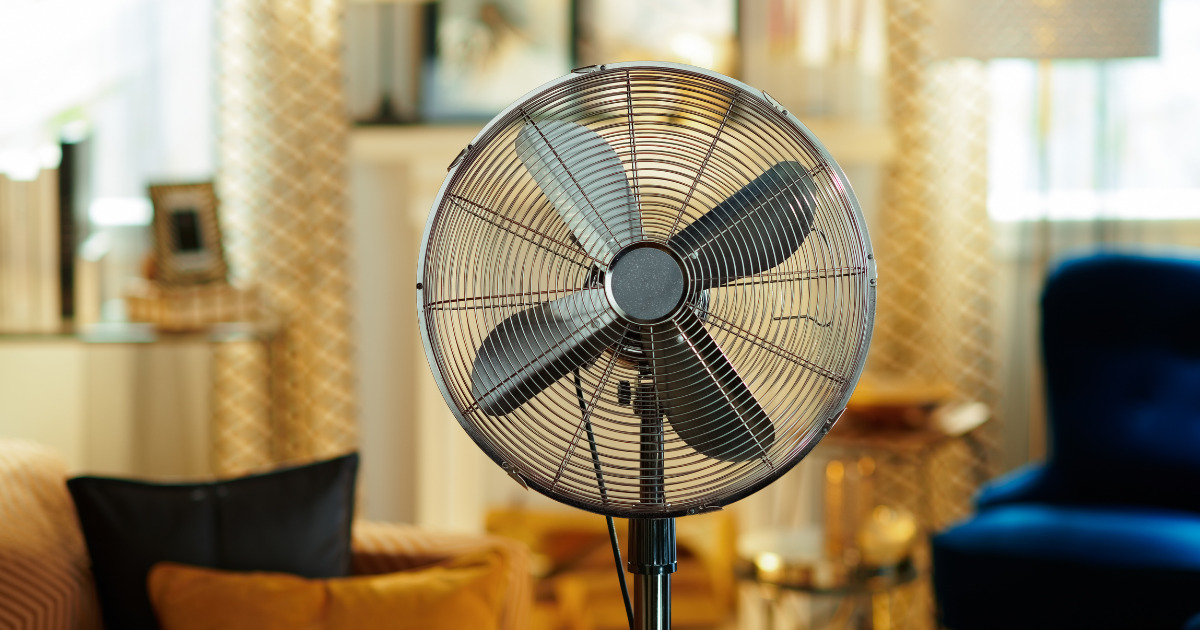
When you think of a fan, this is probably what comes to mind. The pedestal fan sits on an adjustable stand, allowing you to position the airflow at the perfect height, whether you’re in bed or at your desk. They are generally more powerful than desk fans and their oscillating heads can cover a much larger area, making them great for circulating air throughout the entire room.
- Pros: Powerful airflow, wide coverage with oscillation, adjustable height.
- Cons: Takes up more floor space than a tower fan.
The Box Fan: The Budget-Friendly Powerhouse
The box fan is a no-frills, high-performance option. It’s essentially a powerful set of blades in a simple square frame. While not the most stylish, it’s unmatched in its ability to move a large volume of air. A pro tip for dorms: place a box fan facing out of your window on a cool evening to pull cool air in or exhaust hot air out.
- Pros: Moves a massive amount of air, very affordable.
- Cons: Can be louder than other types, basic design with few features.
How to Choose the Perfect Electric Fan for Your Dorm
Okay, you know the types. But how do you pick the right one? It comes down to a few key factors that are especially important in a shared, small living space.
Size and Footprint: How Much Space Do You Have?
First, measure your available space. If your floor is already covered with books, laundry, and a mini-fridge, a tall and slim tower fan is your best bet. If you have a bit more room to spare and need powerful, room-wide circulation, a pedestal fan could be ideal. A desk fan requires zero floor space, making it a perfect addition to any setup.
Noise Level: Can You Study (or Sleep) With It On?
This is arguably the most critical factor for a dorm fan. You need a fan that won’t distract you from your quantum physics textbook or keep your roommate awake. Fan noise is measured in decibels (dB).
- Below 40 dB: This is whisper-quiet, perfect for light sleepers and silent studiers.
- 40-50 dB: This is a gentle hum, similar to a quiet library. Most people find this range perfectly acceptable and even soothing.
- Above 50 dB: This is more noticeable and might be distracting for sensitive individuals.
Look for models marketed as “quiet” or “silent,” and always check the dB rating if available. Our Electric Fant WhisperFlow™ series, for example, is engineered to operate below 35 dB on its lowest settings.
Power and Airflow: What is CFM?
Don’t be fooled by size alone. A fan’s true power is measured in Cubic Feet per Minute (CFM). This number tells you how much air the fan moves. A higher CFM means more powerful airflow and better circulation. For a standard dorm room (around 120-200 sq. ft.), a fan with a CFM rating of 500-1000 is generally a great starting point for effective cooling.
“So many people just look at the diameter of the fan blades and assume bigger is better,” notes Sarah Jenkins, a leading product engineer at Electric Fant. “But the real story is in the CFM. It’s the combination of blade design, motor efficiency, and speed that determines how effectively a fan will circulate air. Always look for the CFM rating for a true measure of performance.”
Features: What Extras Do You Need?
- Multiple Speeds: Essential for adjusting from a gentle breeze for sleeping to a powerful gust after a workout.
- Oscillation: This feature sweeps the fan head from side to side, distributing air over a wider area instead of just one spot. It’s crucial for cooling the entire room.
- Timer: A set-and-forget timer allows you to have the fan turn off automatically after a few hours, saving energy while you sleep.
- Remote Control: A true luxury in a dorm room. Being able to adjust the fan’s settings from your bed without getting up is a game-changer.
|
Our Picks for the Best Electric Fan in 2025
As an Amazon Associate, we earn from qualifying purchases.
|
||
| Num | Product | Action |
|---|---|---|
| 1 | Amazon Basics 16\" Pedestal Fan with Remote, Floor Fan, Standing Fan for Bedroom, Living Room, Office, with 3 Speeds, 3 Modes, Timer, Dual-Layered Blades, Adjustable Height, Tilt Head, 60W, Black |

|
| 2 | Dreo Standing Fan for Bedroom, 120°+120°Omni-directional Oscillating Fan, 85 ft Circulator With Remote, DC Motor Quiet Pedestal Fans, Adjustable Height, 8 Speeds, 3 Modes, 8H Timer, TurboPolyFan 502 |
|
| 3 | Lasko Wind Machine Fan, Air Circulator Fan with 3 Speeds, 20\" Model 3300, Gray |
|
| 4 | Lasko Oscillating Cyclone Pedestal Fan, Adjustable Height, Timer, Remote Control, 3 Speeds, for Bedroom, Living Room, Home Office, 18\", Black, 1843 |
|
| 5 | Dreo Tower Fan for Bedroom, 25ft/s Velocity Quiet Floor Fan, 90° Oscillating Fans for Indoors with 4 Speeds, 4 Modes, 8H Timer, Standing Fans, Bladeless Fan, Black, Nomad One (DR-HTF007) |
|
| 6 | Dreo Fan for Bedroom, 80° Oscillating Standing Fan, 25dB Quiet, 80ft Pedestal Fans for Home Office, 90° Manual Vertical, 3 Speeds, Remote, 34-41\" Adjustable Height, Air Circulator |
|
| 7 | EZ-CHILL 16” Oscillating Pedestal Fan, 3-speed Options, 90-Degree Oscillating Head, Adjustable Height and Tilt, Powerful Air Flow, White, MTSP15-16AZ |
|
| 8 | Amazon Basics Air Circulator Fan, Desk Fan for Bedroom, Home and Office, With 90-Degree Tilt Head, 3 Speed Settings, Lightweight (3 LBS), 35 Watts, Black, 11.1\"W x 6.3\"D x 10.9\"H |
|
| 9 | Comfort Zone Electric Oscillating Pedestal Fan, Stand Fan, 16 inch, 3 Speed, 90 Degree Oscillating Head, Adjustable Height and Tilt, Airflow 7.48 ft/sec, Ideal for Home, Bedroom & Office, CZST161BTEBK |
|
| 10 | Vornado 630 Mid-Size Whole Room Air Circulator Fan for Home, 3 Speed Settings, Adjustable Tilt, Removable Grill, 9 Inch, Powerful Airflow, Manual Control Dial, Quiet Fan for Bedroom, Black |
|
Pro Tips for Getting the Most Out of Your Fan
Once you’ve chosen the best electric fan for student dorms, use these tips to maximize its cooling power and lifespan.
- Strategic Placement: Don’t just stick it in a corner. For the best air circulation, place your fan facing away from a wall to allow it to draw and move air freely.
- Create a Cross Breeze: On cooler days or nights, open your window and door (if possible) and position your fan to create a channel of moving air. This will pull in fresh, cool air from outside.
- The Ice Bowl Trick: For an extra blast of cold air on a scorching day, place a shallow bowl of ice or a few frozen water bottles in front of your fan. As the air blows over the ice, it will pick up the chill.
- Keep It Clean: A dusty fan is an inefficient fan. Dust buildup on the blades and grille can restrict airflow and circulate allergens. Clean your fan every few weeks:
- Unplug the fan completely.
- Use a vacuum with a brush attachment to remove loose dust.
- Wipe down the blades and grille with a damp cloth.
- Make sure it’s completely dry before plugging it back in.
Electric Fan vs. Air Conditioner: The Dorm Room Showdown
While some dorms offer AC, a fan often remains the smarter, more practical choice. Here’s a quick comparison:
| Feature | Electric Fan | Air Conditioner |
|---|---|---|
| Upfront Cost | Low ($20 – $100) | High ($300+) |
| Energy Use | Very Low | Very High |
| Cooling Method | Circulates air (wind chill effect) | Removes heat and humidity |
| Portability | High (easy to move) | Low (heavy, window-mounted) |
| Noise | Generally Low to Moderate | Can be Loud and Clunky |
For the cost, efficiency, and flexibility needed in a dorm, an electric fan is the clear winner.
Frequently Asked Questions
Is it safe to leave an electric fan on all night?
Yes, it is generally safe to leave a modern, well-maintained fan on all night. Ensure the cord is not frayed and the fan is on a stable surface. Features like an auto-off timer can provide extra peace of mind.
How much electricity does a dorm fan use?
An average electric fan for student dorms uses between 30 and 75 watts of power. To put that in perspective, it’s less than a single old-school incandescent light bulb, making it incredibly energy efficient.
Can a fan actually lower the room temperature?
Technically, no. A fan works by creating a wind-chill effect. The moving air helps evaporate sweat from your skin more quickly, which makes you feel cooler. It also circulates air, preventing hot air from getting trapped in one spot.
What’s better for a dorm, a tower fan or a pedestal fan?
It depends on your priority. If floor space is extremely limited and you value a quiet, sleek design, choose a tower fan. If you need maximum power and adjustable height to cool a larger area, a pedestal fan is the better option.
How often should I clean my dorm fan?
In a typically dusty dorm environment, a quick cleaning every 2-3 weeks is a good idea. A deeper clean once a semester will keep it running efficiently and the air quality higher.
Your Partner in Dorm Room Comfort
Choosing an electric fan for student dorms is more than just buying an appliance; it’s an investment in your comfort, focus, and overall well-being during a pivotal time in your life. It’s the difference between a stuffy, miserable night and a restful sleep before a big exam. By considering your space, noise tolerance, and desired features, you can find a fan that feels like it was designed just for you. So go ahead, find that perfect breeze, and make your dorm room a true home away from home.