Let’s be honest, when the summer heat hits, that first blast of icy air from an air conditioner feels like pure magic. But as the days turn into weeks, the magic can fade, replaced by a lingering chill, dry skin, and the dreaded shock of a sky-high electricity bill. This is where the age-old discussion about Fan Daily Benefits Vs AC truly heats up. As the storytellers behind Electric Fant, we believe in smart, comfortable living. It’s not about choosing brute force cold over gentle breezes; it’s about understanding the unique power each brings to your home and how the humble electric fan might just be the unsung hero of your daily comfort.
A Breeze Through Time: The Story of the Fan
Before we dive into the nitty-gritty, let’s appreciate the journey. The concept of moving air to create comfort is as old as civilization itself—think of ancient Egyptians waving large lotus leaves. The electric fan, born in the late 19th century, was a revolution. It democratized personal cooling, making it accessible and affordable. Here at Electric Fant, we see ourselves as custodians of that legacy, constantly innovating on a simple, brilliant idea: a perfect breeze, on demand.
Meet the Modern Cooling Champions: Types of Electric Fans
The world of fans has expanded far beyond a simple set of spinning blades. Choosing the right one is about matching the technology to your lifestyle.
The Classic Pedestal Fan: The Reliable Workhorse
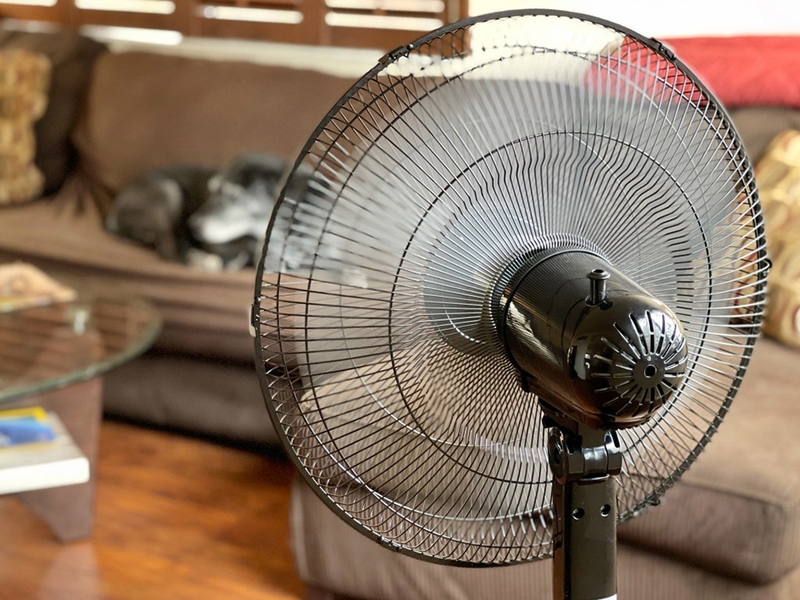
You know this one. It’s the adjustable, oscillating classic that’s been a staple in homes for generations. Modern pedestal fans, like our AuraFlow 5 Series, are engineered for quiet operation and powerful air circulation, making them perfect for living rooms and large bedrooms. Their adjustability means you can direct the airflow exactly where you need it most.
The Sleek Tower Fan: Style Meets Substance
For those who value aesthetics as much as performance, the tower fan is a game-changer. With a small footprint and a sophisticated design, it blends seamlessly into any decor. Tower fans create a wide, gentle breeze rather than a concentrated gust, providing a more subtle and encompassing cooling sensation. They’re an excellent choice for offices or bedrooms where space and style are paramount.
The Mighty Box Fan: Uncomplicated Power
Don’t underestimate the simple box fan. These powerhouses are designed for one thing: moving a massive volume of air. They are fantastic for quickly ventilating a stuffy room, pulling cool evening air inside, or creating a strong, consistent “white noise” that many people find soothing for sleep.
The Overhead Guardian: The Ceiling Fan
A permanent fixture, the ceiling fan is a master of air circulation. In the summer, it pushes air down to create a cooling downdraft. But here’s a pro tip: in the winter, you can reverse the blade direction to pull cool air up, which helps circulate the warm air that naturally rises and pools near the ceiling. It’s a year-round energy saver.
How Do I Choose the Right Electric Fan?
Choosing the right fan involves looking beyond the price tag and considering your specific needs for space, noise, and features. A thoughtful choice ensures you get maximum comfort and efficiency from your investment.
First, Consider Your Space: Size Matters
The size of your room is the most critical factor. A small desk fan won’t make a dent in a large living room, and a powerful pedestal fan might be overkill for a tiny home office. Look for the fan’s CFM (Cubic Feet per Minute) rating.
“CFM is the true measure of a fan’s power,” explains Eleanor Vance, a lead engineer at Electric Fant. “It tells you exactly how much air the fan moves per minute. A higher CFM is better for larger spaces, while a lower, quieter CFM is ideal for personal cooling in smaller areas.”
- Small rooms (under 150 sq. ft.): Look for personal or small tower fans with a CFM of 500-1000.
- Medium rooms (150-300 sq. ft.): A good pedestal or larger tower fan with a CFM of 1000-2500 is ideal.
- Large rooms (over 300 sq. ft.): Consider a high-performance pedestal fan, a large ceiling fan, or multiple fans with a combined high CFM rating.
|
Our Picks for the Best Electric Fan in 2026
As an Amazon Associate I earn from qualifying purchases.
|
||
| Num | Product | Action |
|---|---|---|
| 1 | Lasko Oscillating Cyclone Pedestal Fan, Adjustable Height, Timer, Remote Control, 3 Speeds, for Bedroom, Living Room, Home Office, 18\", Black, 1843 |

|
| 2 | Comfort Zone Electric Oscillating Pedestal Fan, Stand Fan, 16 inch, 3 Speed, 90 Degree Oscillating Head, Adjustable Height and Tilt, Airflow 7.48 ft/sec, Ideal for Home, Bedroom & Office, CZST161BTEBK |
|
| 3 | EZ-CHILL 16” Oscillating Pedestal Fan, 3-speed Options, 90-Degree Oscillating Head, Adjustable Height and Tilt, Powerful Air Flow, White, MTSP15-16AZ |
|
| 4 | Vornado 630 Mid-Size Whole Room Air Circulator Fan for Home, 3 Speed Settings, Adjustable Tilt, Removable Grill, 9 Inch, Powerful Airflow, Manual Control Dial, Quiet Fan for Bedroom, Black |
|
| 5 | Dreo Standing Fan for Bedroom, 120°+120°Omni-directional Oscillating Fan, 85 ft Circulator With Remote, DC Motor Quiet Pedestal Fans, Adjustable Height, 8 Speeds, 3 Modes, 8H Timer, TurboPolyFan 502 |
|
| 6 | Dreo Tower Fan for Bedroom, 25ft/s Velocity Quiet Floor Fan, 90° Oscillating Fans for Indoors with 4 Speeds, 4 Modes, 8H Timer, Standing Fans, Bladeless Fan, Black, Nomad One (DR-HTF007) |
|
| 7 | Amazon Basics Air Circulator Fan, Desk Fan for Bedroom, Home and Office, With 90-Degree Tilt Head, 3 Speed Settings, Lightweight (3 LBS), 35 Watts, Black, 11.1\"W x 6.3\"D x 10.9\"H |
|
| 8 | Amazon Basics 16\" Pedestal Fan with Remote, Floor Fan, Standing Fan for Bedroom, Living Room, Office, with 3 Speeds, 3 Modes, Timer, Dual-Layered Blades, Adjustable Height, Tilt Head, 60W, Black |
|
| 9 | Dreo Fan for Bedroom, 80° Oscillating Standing Fan, 25dB Quiet, 80ft Pedestal Fans for Home Office, 90° Manual Vertical, 3 Speeds, Remote, 34-41\" Adjustable Height, Air Circulator |
|
| 10 | Lasko Wind Machine Fan, Air Circulator Fan with 3 Speeds, 20\" Model 3300, Gray |
|
Next, Decode the Specs: Watts and Decibels
- Wattage (W): This tells you how much energy the fan consumes. A lower wattage means lower running costs. Our EcoBreeze series is designed with ultra-efficient DC motors that use up to 70% less energy than traditional AC motors.
- Decibels (dB): This measures noise level. A quiet library is around 40 dB. For bedrooms, look for a fan that operates under 50 dB on its lower settings. A fan that sounds like a jet engine, no matter how powerful, is not a fan you’ll want to use.
Finally, Look at Features for a Modern Lifestyle
Today’s fans are more than just motors and blades. Look for features that enhance your experience:
- Remote Control: For convenience from your bed or couch.
- Timers: To set the fan to turn off automatically after you’ve fallen asleep.
- Multiple Speed Settings: For precise control over airflow.
- Natural Breeze Mode: This feature varies the fan speed to mimic the feeling of a natural, outdoor wind.
The Big Showdown: Fan Daily Benefits vs AC
Now for the main event. While an AC chills the air, a fan works by creating a wind-chill effect on your skin, helping your body’s natural cooling process (evaporation of sweat) work more efficiently. This fundamental difference leads to a host of distinct advantages.
| Feature | Electric Fan | Air Conditioner |
|---|---|---|
| Energy Use | Extremely low (typically 30-100 watts). Costs just pennies per day. | Very high (typically 1,500-3,500 watts). Can significantly raise bills. |
| Upfront Cost | Low to moderate. | High to very high, plus potential installation costs. |
| Health Impact | Improves air circulation. Can be used with open windows for fresh air. | Can dry out skin, eyes, and nasal passages. Recirculates indoor air. |
| Environmental Footprint | Minimal. Uses very little electricity. | High. Uses significant electricity and contains chemical refrigerants. |
| Maintenance | Simple. Occasional dusting and cleaning of blades. | Complex. Requires regular filter cleaning/replacement and professional servicing. |
The key takeaway in the fan daily benefits vs AC debate is efficiency. An AC is a sledgehammer, using brute force to lower a room’s temperature. A fan is a finely tuned instrument, using a fraction of the energy to make you feel just as cool and comfortable.
The Secret Weapon: Using Your Fan and AC Together
Here’s a strategy that smart homeowners swear by: use your fan with your air conditioner. By using a fan to circulate the cold air produced by the AC, you can distribute it more evenly and effectively throughout the room. This allows you to raise your thermostat by a few degrees—say, from 72°F to 76°F—without feeling any difference in comfort. According to the U.S. Department of Energy, this simple trick can save you up to 10% on your cooling costs.
Frequently Asked Questions (FAQ)
Is it okay to leave an electric fan on all night?
Yes, for most people, it is perfectly safe. A fan helps circulate air, can provide soothing white noise, and keeps you cool, promoting better sleep. If you have severe allergies or asthma, ensure the fan blades are clean to avoid circulating dust.
Does a fan actually cool the air in a room?
No, a fan does not lower the air temperature. It cools you by creating a wind-chill effect and accelerating the evaporation of sweat from your skin. This is a key point in understanding fan daily benefits vs AC; one cools you, the other cools the room.
How much electricity does a fan use compared to an AC?
An average central AC unit uses about 3,000 watts, while a typical pedestal fan uses only about 50 watts. That means you could run about 60 fans for the same energy cost as one air conditioner. The savings are substantial.
What’s the difference between a tower fan and a pedestal fan?
A pedestal fan provides a more direct, powerful stream of air that can be aimed precisely. A tower fan oscillates internally to create a wider, more diffuse column of air, often feeling more like a gentle, room-filling breeze. The choice depends on your preference for direct versus indirect airflow.
Can using a fan make you sick?
This is a common myth. A fan itself cannot make you sick. However, it can circulate existing dust, pollen, or other allergens in the room, which might irritate sensitive individuals. Regular cleaning of your fan and your home is the best way to prevent this.
The Verdict: Embrace the Breeze
When we look at the complete picture of fan daily benefits vs AC, it’s clear that the electric fan is more than just a budget alternative. It’s an intelligent, energy-efficient, and healthful choice for everyday comfort. It gives you control, improves air quality by enabling fresh air flow, and works in harmony with your body’s natural cooling systems.
While an air conditioner certainly has its place during intense heatwaves, the daily, consistent comfort provided by a high-quality fan is unmatched in its simplicity and efficiency. So, the next time you feel the heat rising, consider reaching for the switch on your Electric Fant. You’re not just turning on a fan; you’re choosing a smarter, more sustainable, and ultimately more comfortable way to live.