In today’s fast-paced world, it’s easy to accumulate electronic devices, and eventually, these items reach their end of life. An old electric fan, whether it’s stopped working or has simply been upgraded, often poses a question: what’s the most responsible way to get rid of it? Simply tossing it in the trash contributes to landfill waste and overlooks valuable resources that could be salvaged. This comprehensive guide will navigate you through the best practices for donating, reusing, and recycling your old electric fan, ensuring a sustainable and environmentally conscious approach.
The Environmental Impact of Improper Fan Disposal
Discarding electric fans irresponsibly has a tangible impact on our environment. Landfills are rapidly filling up with electronic waste, or e-waste, which often contains materials that can leach harmful chemicals into the soil and groundwater. Electric fans, though seemingly simple, are composed of various materials, including plastics, metals (like steel, aluminum, and copper in the motor), and electronic components. These materials, if not properly managed, represent lost resources and potential pollutants. By choosing to recycle or donate, we contribute to conserving raw materials, reducing energy consumption, and minimizing pollution associated with manufacturing new products.
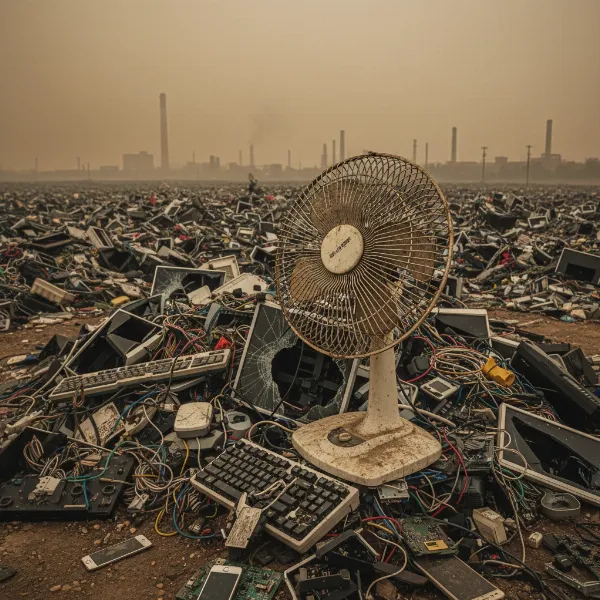 An old electric fan discarded in a landfill, contributing to electronic waste pollution and resource depletion.
Give Your Old Fan a Second Life: Donation and Reuse
Before considering recycling, evaluate if your old electric fan still has life left in it. The most environmentally friendly option is always to extend a product’s lifespan through reuse or donation. This not only keeps items out of landfills but also provides a valuable resource to someone in need.
When to Donate or Reuse
If your fan is still in good working condition or requires only minor, easily fixable repairs, it’s an excellent candidate for donation or reuse. A functional fan can be a tremendous asset, especially during warmer months, for individuals or organizations that may not have the means to purchase a new one. Donating helps reduce waste and supports community efforts.
Where to Donate Electric Fans
Finding a new home for your fan is often easier than you might think. Several avenues are available:
- Charity Organizations: National and local charities like The Salvation Army, Goodwill, or Habitat for Humanity often accept working household appliances. These organizations typically resell items at affordable prices or use them to support their programs. Always call ahead to confirm their current acceptance policies for electric fans.
- Schools and Educational Institutions: Many schools, especially those with limited budgets, might appreciate a working fan for classrooms or administrative offices. Contact your local schools directly to inquire about their needs.
- Shelters: Homeless shelters, women’s shelters, and even animal shelters are frequently in need of fans to provide comfort to their residents or animals during hot weather. Reach out to local shelters to see if they can benefit from your donation.
- Online Marketplaces and Community Groups: Platforms such as Freecycle, Craigslist, Facebook Marketplace, or local “Buy Nothing” groups are excellent for connecting with individuals in your community who might be looking for a free or low-cost fan. This peer-to-peer exchange is highly effective for reuse.
How to Recycle Your Electric Fan
If your electric fan is no longer functional or beyond repair, recycling becomes the best course of action. Recycling ensures that valuable materials are recovered and processed into new products, reducing the demand for virgin resources.
Dismantling for Recycling: A Step-by-Step Guide
For those comfortable with a bit of DIY, dismantling your fan can optimize the recycling process by separating different material types. Always ensure the fan is unplugged from the power source before attempting any disassembly.
- Safety First: Disconnect the fan from power. Wear gloves to protect your hands from sharp edges.
- Separate Components:
- Metal Parts: The motor housing, metal fan blades (if applicable), screws, bolts, and brackets are typically made of valuable metals like aluminum, steel, or copper. These components can often be taken to a local scrap metal recycling yard.
- Plastic Parts: Most fan housings, plastic blades, and bases are made of various types of plastic. While some local recycling centers accept certain plastics, check their specific guidelines, as not all plastics are universally recyclable.
- Wires and Electronic Components: Electrical cords and internal wiring contain copper, which is highly recyclable. Other small electronic components within the motor assembly should be treated as e-waste.
- Light Bulbs (if applicable): If your fan has an integrated light (common in ceiling fans), dispose of bulbs according to local guidelines. Incandescent bulbs usually go into general waste, while fluorescent or LED bulbs may require special e-waste handling.
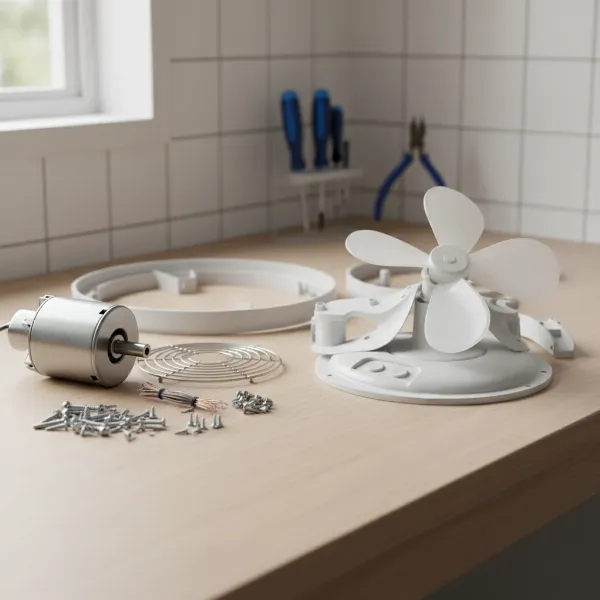 Separated components of an electric fan, including metal motor, plastic blades, and copper wires, for proper recycling.
Finding Local Recycling Facilities
Identifying the right place to recycle your fan is key. Options vary depending on your location:
- E-waste (Electronic Waste) Collection Centers: Many municipalities and counties have designated facilities or regular collection events for e-waste. These centers are equipped to handle appliances like electric fans safely. Search for “e-waste recycling near me” or check your local government’s waste management website.
- Scrap Metal Yards: As fans contain significant metal components, a local scrap metal yard can be an excellent option for recycling the dismantled metal parts. They often pay for certain metals, turning your old fan into a small return.
- Hazardous Waste Collection Events: Some components, if not separated properly, might be considered hazardous. Check for local hazardous waste collection events.
Retailer Take-Back Programs
In many regions, particularly those governed by WEEE (Waste Electrical and Electronic Equipment) directives, retailers who sell electrical appliances are legally obligated to provide a take-back service for old, similar items, sometimes even if the item wasn’t purchased from them. It’s worth inquiring with large electronics or home goods retailers in your area about their recycling programs. While some store staff might be unfamiliar with the policy, persistence can lead to proper recycling.
When All Else Fails: Proper Disposal
If donation and recycling options are genuinely unavailable, and your fan cannot be repaired, proper disposal is the last resort. However, this should only be for small, non-hazardous parts that cannot be recycled elsewhere. Always consult your local waste management guidelines for items permitted in general household waste. The goal remains to minimize landfill contributions as much as possible.
Table: Comparing Disposal Options
| Option | Condition of Fan | Environmental Impact | Effort Required | Potential Benefit |
|---|---|---|---|---|
| Donation/Reuse | Working/Repairable | High (Reduces Waste) | Medium | Helps others, extends product life |
| Component Recycling | Non-working | High (Resource Recovery) | High (Dismantling) | Recovers valuable materials |
| E-Waste Recycling | Non-working | Medium-High | Low-Medium | Prevents pollution, responsible material handling |
| General Trash | Last resort | Low (Landfill) | Low (Avoid if possible) | Simple disposal for non-recyclable waste |
Important Considerations Before Recycling
Before you proceed with recycling or disposing of your fan, keep these critical points in mind:
- Safety First: Always unplug the fan and exercise caution if dismantling it.
- Local Regulations: Recycling and disposal rules vary significantly by city and country. Always check your local waste management authority’s website for the most accurate and up-to-date information.
- Light Bulb Disposal: If your fan includes lighting, ensure any bulbs are removed and disposed of correctly, especially fluorescent bulbs which may contain mercury.
Conclusion
Disposing of an old electric fan doesn’t have to be a conundrum that ends in a landfill. By understanding the options available, from extending its life through donation to meticulously separating components for recycling, you can make a significant positive impact on the environment. Embracing the principles of “reduce, reuse, and recycle” helps conserve resources, lessen pollution, and supports a more sustainable future. Which option will you choose for your old fan?
Frequently Asked Questions
Can I put my old electric fan in the regular trash?
While technically possible for some parts in some areas, it is generally discouraged. Electric fans contain valuable recyclable metals and plastics, as well as electronic components that can be harmful to the environment if sent to a landfill. Always prioritize donation or recycling first.
What are the main recyclable components of an electric fan?
The primary recyclable components include the motor (containing copper and steel), metal blades (aluminum or steel), various screws and fasteners, and the electrical cord (copper wiring). Plastic housing and blades may also be recyclable depending on local facilities.
Do electronics stores take back old fans for recycling?
Many large electronics retailers, especially in regions with WEEE directives, are obligated to accept old electrical appliances for recycling. It’s best to contact your local store directly to confirm their take-back policy and any specific requirements they might have.
How can I find an e-waste recycling center near me?
To locate an e-waste recycling center, visit your local government’s waste management website or use online search engines with terms like “e-waste recycling near me” or “electronic waste disposal facilities.” Many communities also host periodic e-waste collection events.
Is it safe to dismantle an electric fan myself?
Dismantling a fan yourself can be safe if you take proper precautions. Always ensure the fan is unplugged before you begin. Use appropriate tools, and be mindful of sharp edges or small components. If you are unsure or uncomfortable, it’s safer to take the intact fan to an e-waste recycling facility.