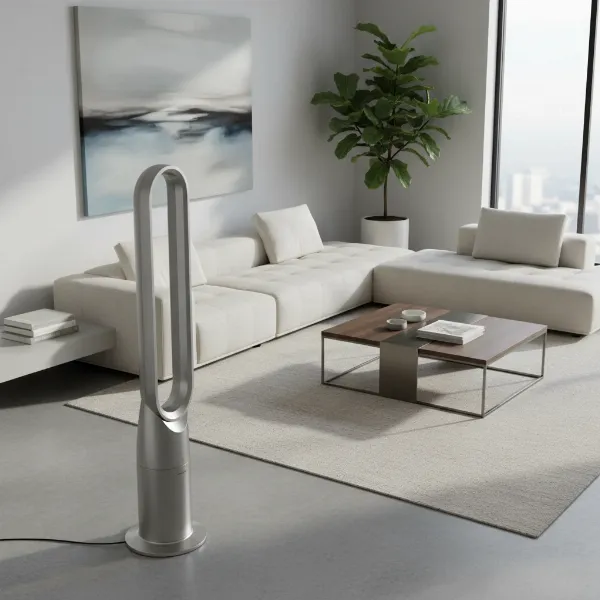
It’s easy to overlook the silent workhorse in your home, the electric fan, quietly circulating air and offering a refreshing breeze. But beneath its seemingly simple operation lies a hidden truth: neglected fan blades can become a reservoir for dust, allergens, and grime, transforming your cooling comfort into a source of potential health issues and reduced efficiency. Regular cleaning of your electric fan blades isn’t just about aesthetics; it’s a fundamental aspect of maintaining a healthy living environment and ensuring your appliance performs optimally for years to come.
Understanding Electric Fan Types and Their Cleaning Needs
Different electric fan types serve various purposes in our homes, and each presents unique considerations when it comes to blade cleaning. While the core principle of removing accumulated dust remains the same, the accessibility and method can vary.
Table Fans
Compact and portable, table fans are perhaps the easiest to clean. Their smaller size and often detachable grilles allow for straightforward access to the blades. Regular, perhaps weekly, dusting prevents significant buildup, crucial for maintaining their efficiency in personal cooling.
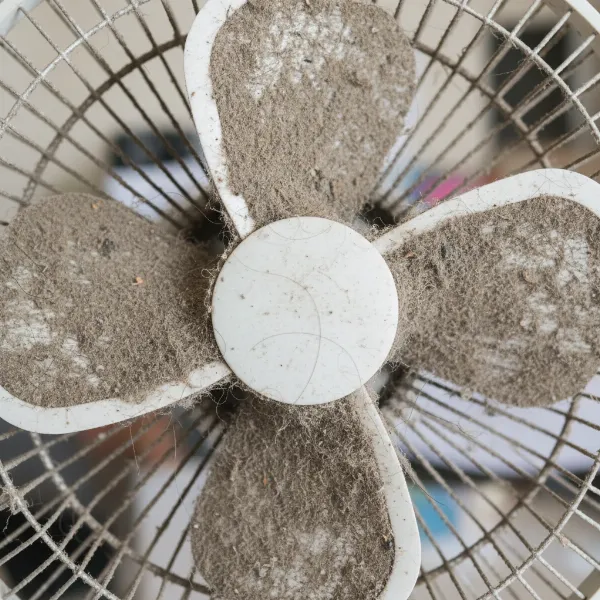 A close-up view of a table fan with dust accumulated on its blades, showing neglect.
Pedestal Fans
Taller than table fans, pedestal fans are common in living areas. They often feature larger blades and grilles, which can accumulate more dust. While their height can make reaching the top of the grille a slight challenge, many models allow for easy disassembly of the front grille to clean the blades thoroughly.
Wall-Mounted Fans
Designed for space-saving and overhead air circulation, wall-mounted fans are less accessible than their portable counterparts. This means they are often neglected, allowing dust to build up more significantly. Cleaning these typically requires a step stool or ladder, highlighting the need for a dedicated cleaning schedule to prevent severe accumulation.
Ceiling Fans
Among the most challenging to clean, ceiling fans are also the most notorious for collecting dust and spreading it throughout a room. Due to their elevation, cleaning them safely requires a sturdy ladder and careful technique. Given their continuous operation, especially during warmer months, consistent maintenance is paramount for indoor air quality.
Air Coolers (Evaporative Fans)
While not strictly “fan blades” in the traditional sense, air coolers incorporate fan mechanisms to draw air over water-soaked pads. The internal fan blades, like any other fan, collect dust. However, for air coolers, cleaning the fan blades is part of a larger maintenance routine that includes cleaning the water tank and cooling pads, all of which are vital for preventing mold and bacteria growth and ensuring fresh, cool air delivery.
The Hidden Dangers: Why Dirty Fan Blades Are a Health Hazard
The most compelling reason to regularly clean your electric fan blades is directly tied to the health and well-being of your household. What appears as harmless dust on static blades becomes a circulating health threat once the fan is in motion.
Spreading Allergens and Irritants
Dust, pet dander, pollen, and even dust mites, thrive on neglected fan blades. When your electric fan whirs to life, it doesn’t just move air; it acts as a silent distributor, flinging these microscopic particles into every corner of your room. This constant redistribution of airborne particles can significantly impact indoor air quality.
Aggravating Respiratory Conditions
For individuals with allergies, asthma, or other respiratory sensitivities, dirty fan blades can exacerbate symptoms. The inhalation of dust and allergens can trigger sneezing, coughing, watery eyes, a stuffy nose, and itchy skin. In severe cases, prolonged exposure to dust mites, a common resident on fan blades, can lead to more serious conditions like bronchitis.
“Dirty fan blades are not just an eyesore; they are miniature dispersal systems for allergens and pollutants, directly impacting the air we breathe and potentially triggering respiratory distress for sensitive individuals.” – Dr. Emily R. Carter, Environmental Health Specialist
Fostering Bacteria and Mold
In humid environments, fan blades can become a breeding ground for bacteria and mold spores. These microorganisms, once airborne, can contribute to unpleasant, musty odors and pose additional health risks, particularly for those with compromised immune systems. Ensuring clean blades is a proactive step in preventing the spread of such unwanted airborne contaminants.
Beyond Health: Performance and Longevity Benefits of Clean Blades
Beyond the critical health aspects, maintaining clean electric fan blades also offers substantial benefits for the appliance’s performance and lifespan, ultimately saving you time and money.
Improved Airflow and Cooling Efficiency
Dust and grime accumulation add weight and create drag on fan blades. This buildup impedes the fan’s ability to cut through the air efficiently, drastically reducing its airflow and overall cooling effectiveness. A clean blade surface allows for optimal air movement, ensuring your fan provides the refreshing breeze it was designed for.
Reduced Energy Consumption
When fan blades are heavy with dust, the motor has to work harder to maintain its rotational speed. This increased strain directly translates to higher energy consumption and, consequently, elevated electricity bills. Regularly cleaning your fan blades ensures the motor operates under less stress, allowing it to run more efficiently and consume less power.
Extended Motor Lifespan and Prevention of Damage
The added workload on a motor due to dirty blades accelerates wear and tear on its internal components. Over time, this can lead to premature motor failure, requiring costly repairs or a complete replacement of the fan. Dust accumulation can also cause blades to become imbalanced, leading to wobbling, vibrations, and further strain on the motor and fan structure. Consistent cleaning alleviates this stress, prolonging the life of your electric fan and protecting your investment.
Quieter Operation
A fan struggling against accumulated dust will often produce more noise than a clean one. Vibrations from imbalanced, dirty blades or a strained motor can lead to annoying humming, rattling, or squeaking sounds. Cleaning the blades and ensuring balance can significantly reduce operational noise, contributing to a more peaceful home environment.
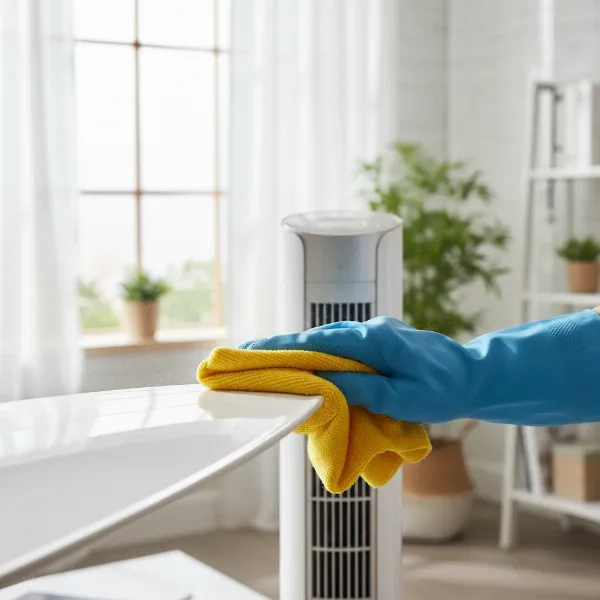 A person's hand wiping dust from a fan blade, emphasizing improved efficiency and health.
Comparison: The Impact of Clean vs. Dirty Electric Fan Blades
The contrast between a well-maintained electric fan and one plagued by dirty blades is stark, affecting everything from air quality to your wallet.
| Feature | Clean Fan Blades | Dirty Fan Blades |
|---|---|---|
| Indoor Air Quality | Promotes cleaner, healthier air | Disperses dust, allergens, bacteria, and mold |
| Cooling Efficiency | Optimal airflow, effective cooling | Reduced airflow, less effective cooling |
| Energy Consumption | Lower, as the motor runs efficiently | Higher, as the motor works harder |
| Fan Lifespan | Extended, reduced wear and tear on motor | Shortened, increased strain and potential failure |
| Noise Level | Quieter, smoother operation | Louder, potential wobbling and rattling |
| Aesthetics | Clean, well-maintained appearance | Dusty, unsightly appearance |
| Health Impact | Minimizes allergen exposure, supports respiratory health | Aggravates allergies and respiratory issues |
| Odor | Fresh, neutral air | Potential for musty or unpleasant odors |
Key Features Influencing Fan Blade Cleaning and Maintenance
When considering a new electric fan, or simply appreciating your current one, certain design features can significantly impact the ease and effectiveness of blade cleaning. Opting for designs that prioritize accessibility can turn a daunting chore into a simple task.
Ease of Disassembly
Fans designed with easily removable grilles or detachable blades simplify the cleaning process immensely. Models where you can quickly unclip a front cover or unscrew blades without complex tools allow for a thorough wipe-down. This feature is particularly valuable for pedestal and table fans.
Blade Material
The material of the fan blades can affect how dust adheres and how easy it is to remove. Smooth, non-porous materials like plastic or treated metal are generally easier to wipe clean than textured or porous surfaces. Some modern fans also incorporate anti-static coatings to reduce dust accumulation.
Design (Open vs. Caged)
While safety cages are essential, some designs offer wider gaps or easily removable sections that grant better access to the blades. Bladeless fans, for instance, eliminate the issue of blade-bound dust entirely, though their internal components still require periodic cleaning. For traditional fans, a grille that detaches with minimal effort is a huge plus.
Your Essential Guide to Electric Fan Cleaning
Incorporating fan blade cleaning into your regular home maintenance routine is a simple yet impactful step towards a healthier, more comfortable living space.
When to Clean Your Fan
The frequency of cleaning largely depends on usage and environmental factors:
- Light Dusting: For general maintenance, a quick wipe down of visible dust on blades is recommended weekly.
- Deep Cleaning: A more thorough cleaning, involving disassembling grilles if possible, should be performed monthly or at least quarterly (every 1-3 months), especially during periods of heavy use or seasonal changes.
- Factors to Consider:
- Pets: Homes with pets tend to accumulate dander and hair more quickly, necessitating more frequent cleaning (every 1-2 weeks).
- Location: If you live near a busy road or in a dusty environment, or keep windows open frequently, dust buildup will be faster (every 1-2 weeks).
- Usage: Fans used daily for six hours or more will require cleaning every 2-3 weeks, while less frequent use might allow for cleaning every 1-2 months.
How to Clean Effectively
Safety should always be your top priority when cleaning any electric appliance.
- Safety First: Always unplug your fan from the power outlet before beginning any cleaning. For ceiling fans, switch off the power at the breaker to prevent accidental activation.
- Gather Your Tools: You’ll typically need a sturdy ladder (for ceiling or wall-mounted fans), a microfiber cloth, a damp cloth, a vacuum cleaner with a brush attachment, and an old pillowcase. For stubborn grime, a mild soap and water solution can be used on detachable blades.
- Contain the Dust: For ceiling fans, an old pillowcase is a fantastic tool. Slip it over a blade, wipe, and pull it off, trapping the dust inside. For other fans, lay down newspaper or a sheet to catch falling dust.
- Wipe Down Blades: Use a damp microfiber cloth to thoroughly wipe both sides of each blade. For hard-to-reach areas on caged fans, a vacuum cleaner with a crevice or brush attachment can be very effective. Avoid spraying cleaning solutions directly onto the fan motor or electrical components.
- Clean Grilles and Housing: Don’t forget the grilles and the fan’s exterior housing, as these also collect significant dust. Wipe them down with a damp cloth. For detachable grilles, you might even wash them with soap and water before drying thoroughly.
- Reassemble and Test: Once everything is dry, reassemble any removed parts. Plug the fan back in (or restore power) and test its operation. Listen for any unusual noises that might indicate imbalance.
Troubleshooting Common Fan Issues Related to Dirt
Many common problems experienced with electric fans can be traced back to a lack of regular cleaning. Understanding these connections can help you quickly address issues and prevent further damage.
- Reduced Airflow: If your fan isn’t moving as much air as it used to, dirty blades are likely the culprit. The accumulated dust disrupts the aerodynamic design, hindering efficient air displacement.
- Unusual Noise or Wobbling: A humming, rattling, or noticeable wobble, especially with ceiling fans, often indicates imbalanced blades due to uneven dust buildup. Cleaning and re-balancing can resolve this.
- Overheating Motor: When the motor works harder to spin dirty blades, it generates more heat. Persistent overheating can lead to a shortened lifespan or even a fire hazard. Cleaning can alleviate this strain.
- Musty Odors: If your fan emits an unpleasant smell, it could be due to a buildup of mold, mildew, or bacteria on the blades or within the fan’s housing, particularly in humid conditions. A thorough cleaning is essential to eliminate the source of the odor.
Conclusion
The humble electric fan plays a significant role in our daily comfort, but its effectiveness and your family’s health are directly linked to its cleanliness. Neglecting your fan blades means knowingly recirculating dust, allergens, and potential irritants, while also burdening your appliance with unnecessary strain. By embracing a simple routine of regular electric fan blade cleaning, you not only ensure purer indoor air quality and alleviate allergy symptoms but also significantly boost your fan’s performance, reduce energy costs, and extend its functional lifespan. Make fan maintenance a priority—your lungs, your wallet, and your electric fan will thank you for it.
What’s your biggest challenge when it comes to keeping your electric fan blades spotless?
Frequently Asked Questions
How often should I clean my electric fan blades for optimal health?
For optimal health, it’s recommended to lightly dust your electric fan blades weekly and perform a deeper clean every month, or at least quarterly. Factors like pets or living in a dusty environment may require more frequent cleaning, as often as every 1-2 weeks.
Can dirty fan blades really impact my family’s health?
Absolutely. Dirty fan blades accumulate dust, pet dander, pollen, dust mites, and potentially mold and bacteria. When the fan operates, it disperses these particles into the air, aggravating allergies, asthma, and other respiratory issues, leading to symptoms like sneezing, coughing, and irritated eyes.
Does cleaning my fan blades save money on electricity bills?
Yes, cleaning your fan blades can save money. Dust buildup makes the fan motor work harder to move air, increasing energy consumption. By keeping the blades clean, the fan operates more efficiently, reducing the strain on the motor and lowering your electricity usage.
What are the signs that my electric fan blades need cleaning?
Obvious signs include visible dust and grime on the blades. Other indicators are reduced airflow, unusual noises like wobbling or rattling, a musty odor when the fan is running, or if your allergies seem worse indoors when the fan is on.
Is there a specific cleaning method for ceiling fan blades to prevent dust from falling everywhere?
For ceiling fans, a common and effective method is to use an old pillowcase. Slip the pillowcase over each blade, then wipe the blade from the base to the tip while keeping the pillowcase around it. This traps the dust inside the pillowcase, preventing it from scattering into the room.